Business
What If Humans Could Upload, Store, and Share Their Consciousness?
by Admin
-
Monday, May 11, 2026
375 Views
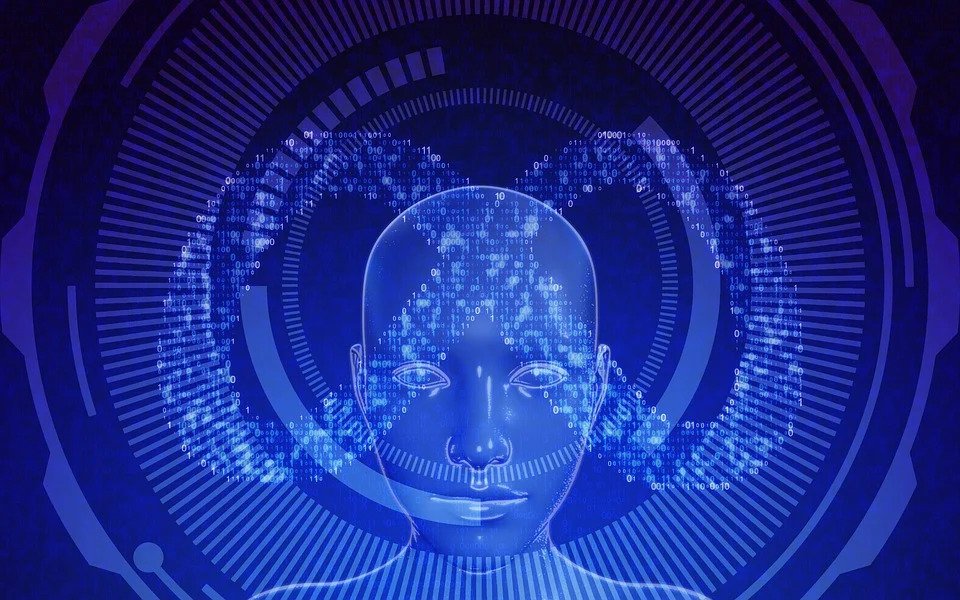
The concept of uploading human consciousness has fascinated scientists, futurists, and philosophers for decades. It revolves around a bold question: what if the human mind could exist beyond the biological brain? In theory, consciousness uploading would involve scanning and replicating every neural connection in the brain, allowing memories, thoughts, emotions, and personality traits to be preserved digitally. While the technology is still far from reality, rapid developments in neuroscience and artificial intelligence are making the conversation more relevant than ever.
The idea challenges traditional views of life and identity. If human consciousness could be copied into a digital environment, people might continue interacting with others even after physical death. This possibility could completely reshape how society understands mortality, communication, and human existence.
A Future Where Memories Never Fade
One of the most powerful possibilities of consciousness storage is the preservation of memories. Human experiences are temporary and often lost over time due to aging, illness, or death. Digital consciousness could allow individuals to archive their life experiences permanently, creating a detailed record of emotions, relationships, and personal milestones.
Families could revisit conversations with loved ones, future generations might learn directly from ancestors, and important cultural knowledge could be preserved indefinitely. Instead of relying solely on books, videos, or recordings, people could potentially experience memories in a deeply immersive and interactive way.
Websites focused on storytelling and personal experiences, such as innovative storytelling and future-focused discussions at Your Stories Hub, already reflect humanity’s desire to preserve meaningful narratives. In the future, digital consciousness technology could take storytelling far beyond written words and transform how experiences are shared across generations.
Revolutionising Human Communication
If consciousness could be shared digitally, communication itself could evolve dramatically. Instead of expressing ideas through speech or text, individuals might exchange emotions, thoughts, and experiences directly. This type of interaction could reduce misunderstandings and create deeper emotional connections between people.
In workplaces, teams could collaborate more efficiently by sharing cognitive insights instantly. Educational systems might also change significantly, allowing students to learn through direct experiential transfer rather than traditional instruction. Complex concepts, languages, or technical skills could potentially be understood faster and more effectively.
Such advancements could create a more connected society, where empathy and understanding become stronger through shared experiences rather than limited verbal communication.
The Impact on Healthcare and Accessibility
The medical field could benefit enormously from advancements in consciousness technology. Patients with neurodegenerative conditions like Alzheimer’s disease might preserve memories before cognitive decline occurs. Brain-computer interfaces could help individuals with severe physical disabilities communicate or interact with digital environments using thought alone.
Mental health treatment could also improve through deeper analysis of emotional and neurological patterns. By understanding how memories and emotions are processed, healthcare professionals may develop more personalised therapies for anxiety, depression, trauma, and other psychological conditions.
Scientists are already exploring early-stage brain-computer technologies capable of translating neural signals into digital actions. Although true consciousness uploading remains theoretical, these innovations suggest that the relationship between humans and machines is becoming increasingly interconnected.
Ethical Questions and Identity Concerns
Despite its fascinating potential, consciousness uploading raises serious ethical and philosophical questions. One of the biggest debates centers on identity. If a person’s mind is digitally copied, would that digital version truly be the same individual or simply a highly advanced replica?
Human consciousness is deeply tied to biological processes, emotions, and subjective experiences. Many experts argue that replicating neural activity may not fully recreate genuine self-awareness. Others believe consciousness could eventually exist independently from the human body.
Privacy and security concerns would also become major issues. Human thoughts, memories, and emotions represent the most personal form of data imaginable. If consciousness were stored digitally, cyberattacks or unauthorised access could have devastating consequences. Protecting digital identities would become one of the most critical challenges of future technology.
Social and Economic Challenges
Advanced consciousness technology could also create social inequality. In its early stages, such technology would likely be extremely expensive, making access available only to wealthy individuals or large organisations. This could create a future where digital preservation or extended existence becomes a privilege rather than a universal opportunity.
Questions around ownership would quickly emerge as well. Who would control uploaded consciousness data — the individual, family members, governments, or private corporations? Without clear ethical regulations, the misuse of digital consciousness could lead to exploitation, manipulation, or loss of personal autonomy.
These concerns highlight the importance of creating strong ethical frameworks before such technologies become possible. Innovation must be balanced with fairness, transparency, and respect for human rights.
Cultural and Religious Perspectives
The possibility of storing consciousness digitally could challenge many cultural and religious beliefs about life and death. Some traditions view consciousness or the soul as inseparable from the physical body or spiritual existence. As a result, the idea of digitally preserving the human mind may be embraced by some communities while strongly rejected by others.
Religious debates surrounding immortality, spirituality, and the meaning of existence would likely intensify as technology advances. Society would need open discussions involving scientists, ethicists, religious leaders, and policymakers to navigate these complex issues responsibly.
Could Digital Immortality Become Reality?
Although consciousness uploading remains hypothetical, ongoing research continues to push technological boundaries. Artificial intelligence, neuroscience, and machine learning are rapidly advancing, bringing humanity closer to understanding how the brain processes identity, memory, and awareness.
Whether digital immortality becomes reality or remains science fiction, the concept forces humanity to rethink the boundaries between biology and technology. It encourages important conversations about ethics, privacy, identity, and the future of human connection.
For readers interested in exploring emerging ideas, futuristic innovations, and thought-provoking human experiences, explore inspiring technology and human imagination stories on Your Stories Hub offers engaging perspectives on innovation and creativity. If you would like to share your thoughts or connect with the editorial team, visit the get in touch through the Contact Us page for collaborations and inquiries.