Business
What If Language Evolved Differently for Every Generation of Humans?
by Admin
-
Monday, May 18, 2026
344 Views
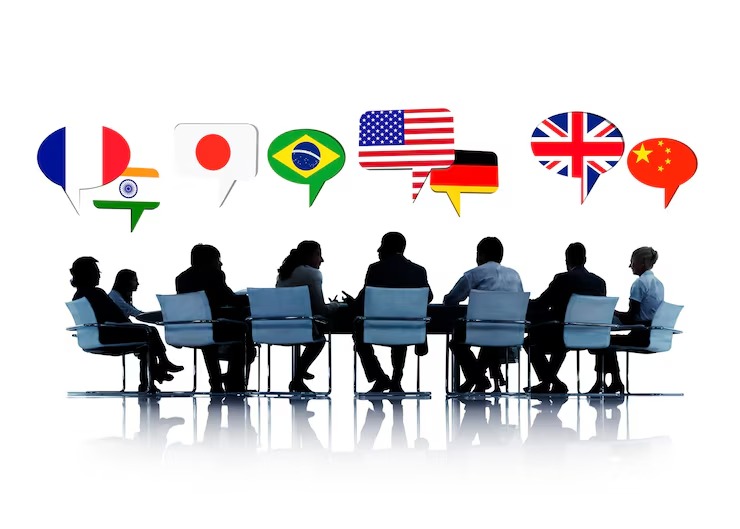
Language is one of humanity’s greatest inventions. It allows people to share ideas, preserve history, build relationships, and create civilizations. Today, language evolves slowly over time through slang, cultural influences, and technology. But imagine a world where every generation developed a completely different version of language. Parents and children might struggle to understand one another, while conversations between grandparents and grandchildren could become nearly impossible without translation tools.
In such a world, communication would no longer feel natural or effortless. Human interaction would require constant adaptation, making language one of society’s biggest challenges instead of its greatest connector.
The Loss of Knowledge Across Generations
One of the most serious consequences would be the disruption of knowledge transfer. Human progress depends on passing information from one generation to the next. Science, medicine, history, and cultural traditions survive because people can communicate across time. If language changed too drastically every few decades, valuable knowledge could easily become distorted or lost.
Educational systems would face enormous pressure. Schools would constantly need to update textbooks and learning materials to match each generation’s language patterns. Teachers from older generations might struggle to connect with younger students, forcing institutions to rely on advanced translation systems or simplified universal languages.
Historical records would also become difficult to preserve. Ancient texts already require interpretation today, but in this imagined future, even documents written fifty years earlier could become unreadable to younger people.
Technology Would Become Essential
In a world of rapidly evolving language, technology would become central to daily life. Real-time translation devices could replace normal conversations, helping people communicate across generational gaps. Artificial intelligence might serve as humanity’s universal interpreter, instantly converting speech into understandable forms.
People would likely depend on digital communication systems more than face-to-face interaction. Smart devices could automatically translate conversations between family members, coworkers, and communities. Without technology, misunderstandings could become common in workplaces, schools, and even households.
Platforms such as creative storytelling and thought-provoking fiction at Your Stories Hub could play a major role in preserving communication between generations. Storytelling websites and digital archives would help document cultural changes while making older narratives accessible to younger audiences.
Family Relationships Could Change Forever
Language is deeply connected to emotional bonding. Families often share memories, stories, traditions, and humor through words. If each generation spoke a significantly different language, emotional connections within families could weaken over time.
Grandparents might find it difficult to communicate naturally with grandchildren. Family traditions passed down through storytelling could slowly disappear or become dependent on technology for interpretation. Simple conversations at dinner tables might require translation assistance, reducing the spontaneity and warmth that language usually provides.
At the same time, families may develop new forms of communication beyond words. Visual symbols, gestures, shared digital experiences, and emotional expressions could become more important in maintaining close relationships.
Creativity and Cultural Reinvention
Although this scenario presents major challenges, it could also encourage incredible creativity. Every generation would create unique ways of expressing ideas, emotions, and identity. Literature, music, films, and art would constantly evolve into completely new styles.
Cultural trends would move faster than ever before. One generation’s language and artistic style might feel ancient to the next. Writers and creators would continuously reinvent storytelling methods to connect with changing audiences.
This rapid evolution could lead to highly original forms of entertainment and communication. Translation itself might become one of the world’s most respected professions, blending culture, psychology, and technology.
Websites like explore imaginative human stories and futuristic ideas on Your Stories Hub would become valuable spaces for preserving creative expression and documenting how language transforms across generations.
Politics and Society Would Become More Complex
Governments rely heavily on shared communication. Laws, policies, and public messages must be understood clearly by citizens. If language evolved differently for every generation, maintaining political stability could become extremely difficult.
Legal systems would constantly need reinterpretation. Constitutions and historical documents might lose meaning unless continuously translated into modern language forms. Political leaders would depend heavily on translators and communication experts to connect with different age groups.
Generational misunderstandings could also create social division. Younger and older people might develop completely different worldviews because language shapes how humans think and interpret reality. Shared national identity could weaken if generations no longer communicate naturally with each other.
How Language Shapes Human Thought
Language influences perception, memory, and reasoning. If every generation developed dramatically different linguistic structures, their way of thinking might also change. One generation may prioritize logic and efficiency, while another focuses more on emotion, symbolism, or visual communication.
This could create fascinating diversity in human thought. Different generations might solve problems in completely unique ways, leading to rapid innovation and fresh perspectives. However, it could also increase misunderstanding, as people struggle to interpret ideas shaped by unfamiliar linguistic systems.
Social media already offers small examples of this phenomenon. Online communities frequently create new slang, abbreviations, and communication styles that older generations find confusing. In many ways, digital culture is already accelerating language evolution.
A Future of Connection and Isolation
Despite the challenges, humans are highly adaptable. People would likely create systems to maintain understanding across generations. Universal visual symbols, AI-powered translators, and hybrid communication methods could help society stay connected.
However, there would still be emotional costs. Shared language creates continuity between people and across time. Familiar phrases, stories, and traditions help humans feel connected to their ancestors and communities. Losing that continuity could create a sense of isolation between generations.
For readers interested in sharing ideas, feedback, or original concepts about language evolution and speculative futures, visit the official Contact Us page for Your Stories Hub.
Final Thoughts
If language evolved differently for every generation of humans, society would become both more innovative and more fragmented. Communication would require constant adaptation, while technology would become essential for preserving relationships and knowledge.
At the same time, humanity could experience an explosion of creativity, cultural reinvention, and new ways of thinking. The future of communication would no longer depend solely on words but on humanity’s ability to adapt, translate, and stay connected despite constant change.